Portfolio 2023–26
Student · Community Service · Public-Health Advocate
Jun Yoo
I am a high-school student in Jeju, and most of my time is dedicated to a single purpose: serving people the system tends to overlook. Elderly neighbors who live alone. Teenagers at risk of drug abuse. Children in orphanages. Over two years I have tried my sense of purpose into steady, hands-on social work.
I’m Jun Yoo. I split my time between Jeju and Los Angeles. What drives me in both places is one simple question: Who around me needs help, and how can I show up for them?
The through-line in my work is care for people who are easily overlooked. An elderly neighbor who lives alone. Children in a Jeju orphanage. Teenagers at risk of drug abuse in both Korea and Los Angeles. Girls in Malaysia without reliable access to sanitary products. I am consistently drawn to the same neglected corners of the world. Over time, I have learned that social work is less about grand gestures than about being present, consistently, for the people in front of me.
Some of my work is public. With my brother I co-authored an anti-drug book, printed Naloxone brochures, and carried our campaign through libraries, YMCAs, and Korean-language media. Most of it, however, is quiet. Cooking for an elderly neighbor every month, walking rescue dogs, cleaning the Hangang River. I value consistency of work more than how photogenic it is, and I want to build a life around such dedication.
35분 완전무장 explains the kinds of drugs a young person might encounter and, through short fiction, imagines a future South Korea where drug use has become far more visible. We wrote it because most anti-drug material felt too clinical for the people who actually needed it, and we wanted something a curious teenager would pick up on their own.
Seeing it catalogued and shelved at the Los Angeles Public Library was the moment the project stopped feeling like a personal effort and started feeling like it belonged to a wider community. The time and effort had turned into something anyone could borrow and read.
Open project →The first brochure explained how to use Naloxone, a medication that can reverse an opioid overdose, along with overdose statistics and what to do if someone is unconscious. The second was written for parents, covering the warning signs of drug use and the steps a worried parent could take. I wanted practical information, not fear.
Over the summer I placed them where families already gather. I left them at the front desks of the Ketchum-Downtown and Koreatown YMCAs, and went door to door at the Koreatown Youth and Community Center (KYCC) and Korean American Family Services (KFAM). Introducing myself and explaining the campaign made me nervous, but both organizations welcomed the brochures, which meant they would reach more Korean American families.
Open project →Nanum Mission works directly with young people the drug crisis has already touched, so it felt like the right place to bring everything we had made. We donated our book 35분 완전무장 and our brochures on Naloxone, overdose response, and prevention.
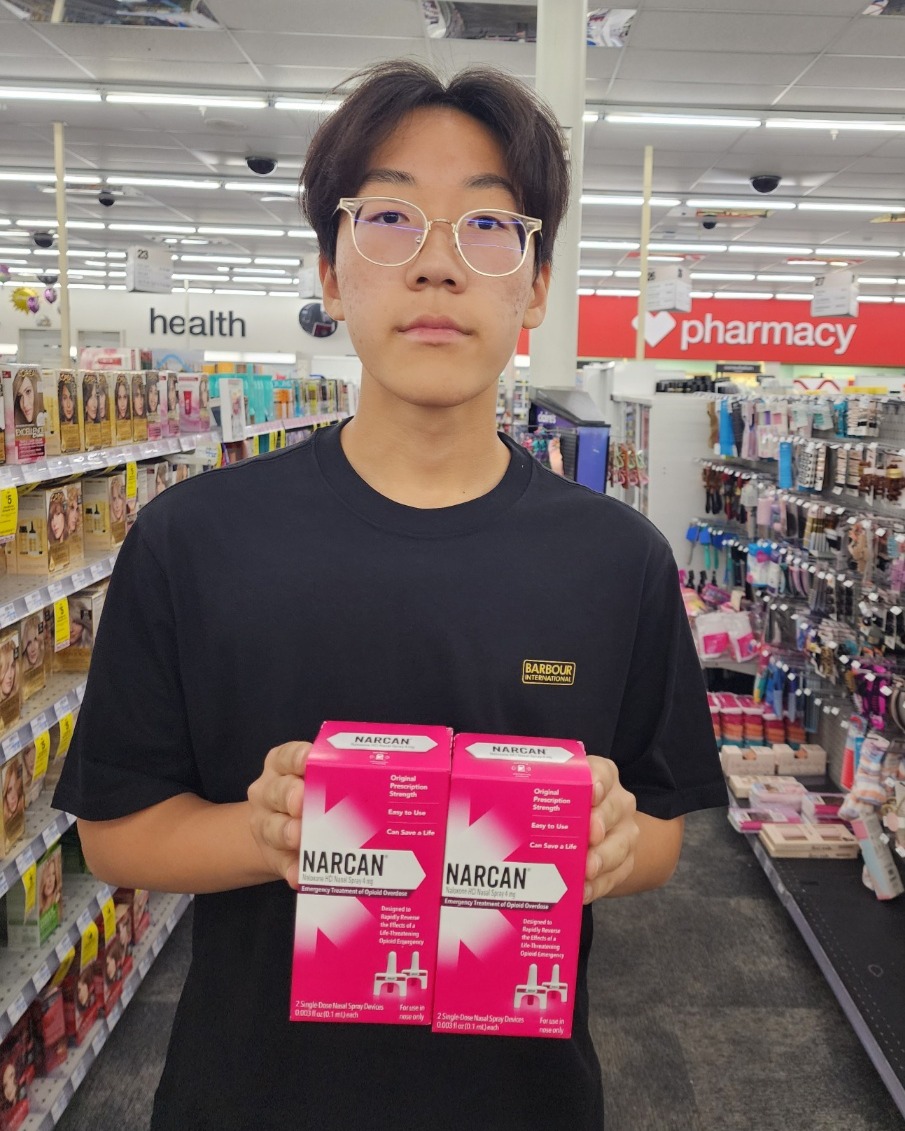
I spoke with a missionary who explained how some students first come into contact with drugs and how quickly use can spread among young people. Beyond the printed materials, we donated cans of Narcan, a Naloxone nasal spray, along with boxes of cereal, instant ramen, and snacks for the children at the facility. It was the clearest picture I had gotten of who the campaign was really for.
Open project →The Korea Times, Chosun Media of Los Angeles, and The Korea Daily each interviewed us about the anti-drug campaign. Reporters asked what inspired us, what we had actually done, and how serious the overdose problem was becoming in both South Korea and Los Angeles. Two of the interviews ran as full news articles.
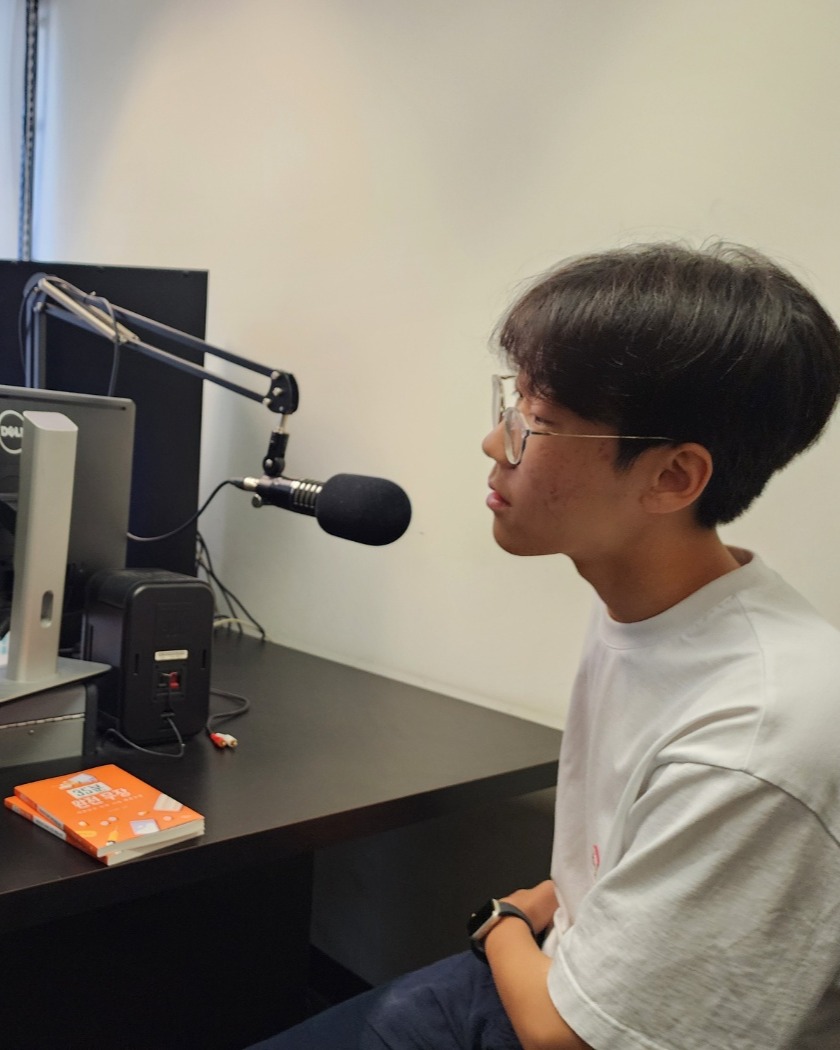
We were also invited onto RadioKorea, a major Korean-language station in Los Angeles, where my brother and I answered questions live about prevention and why it matters for Korean and Korean American communities. I was proud that the campaign had grown past individual donations and brochures into something that could reach people through the media they already trusted.
Open project →We explained our chapter’s past community service and the initiatives we hoped to fund next. Speaking directly to public officials was intimidating at first, but it pushed me to articulate clearly why our work mattered and what we would do with support.
The ₩420,000 in funding was modest, but the amount was not really the point. It meant a local government had looked at what a group of students was doing and decided it was worth backing. That recognition changed how seriously I took the work.
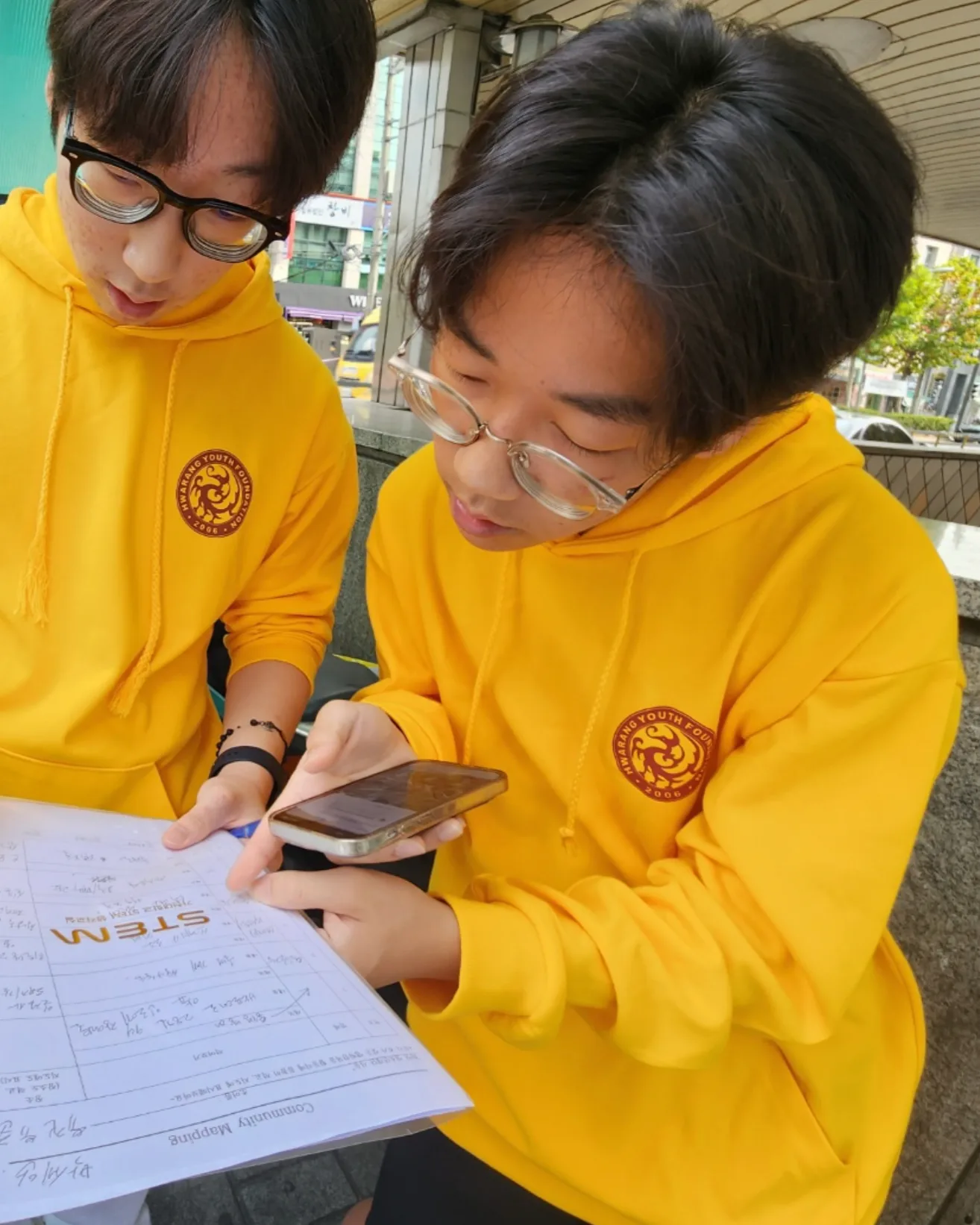
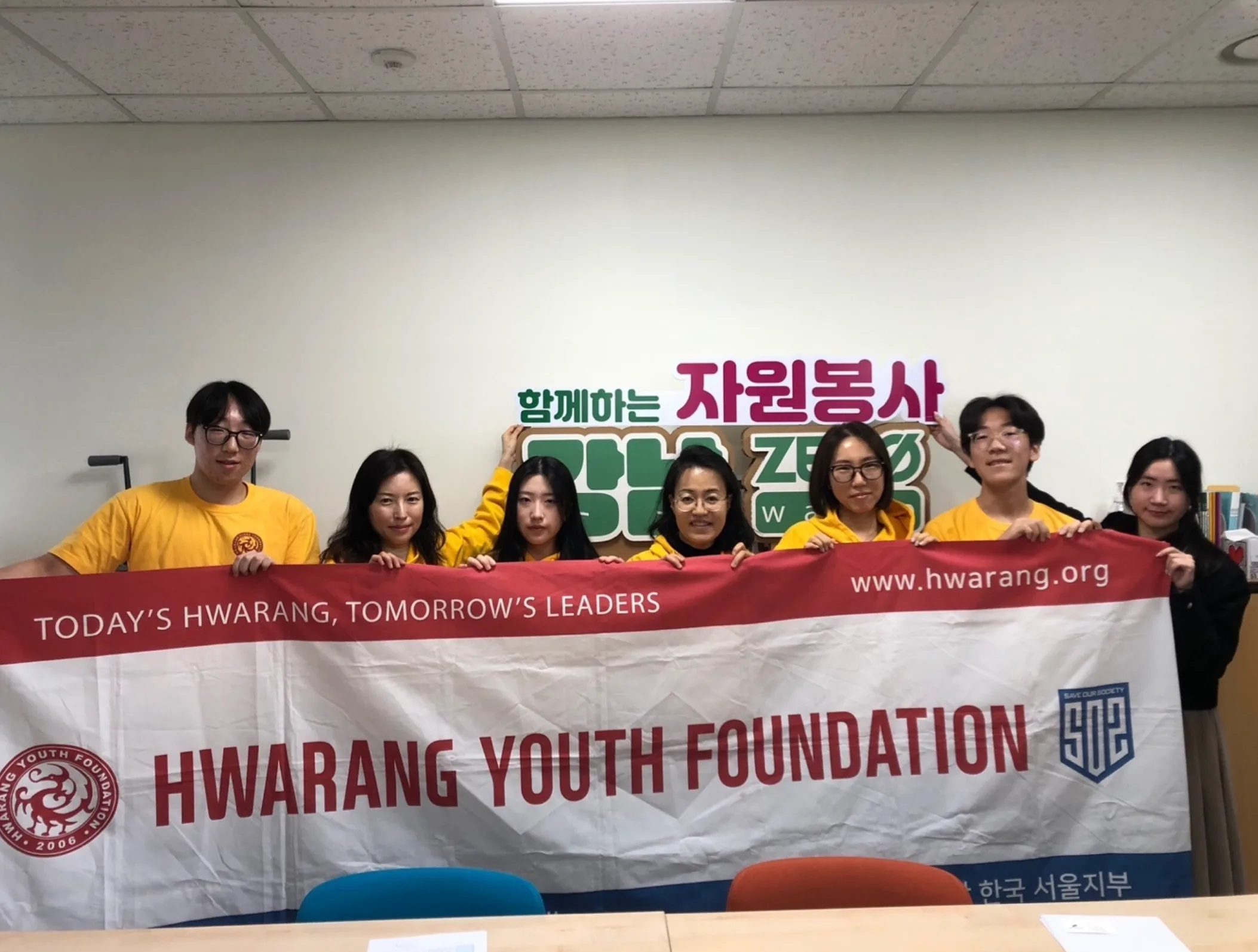
Open project →Walking through the community, we documented harmful or hazardous conditions: illegal alcohol and cigarette advertising, dangerous hanging electrical wires, and broken sidewalks. Seeing how many small hazards accumulate in one neighborhood was its own lesson.
We uploaded our findings to a website run by the Seocho-gu district government. Watching some of the problems actually get addressed showed me that even simple actions, taking a photo and filing a report, can feed directly into how a community gets safer.
Open project →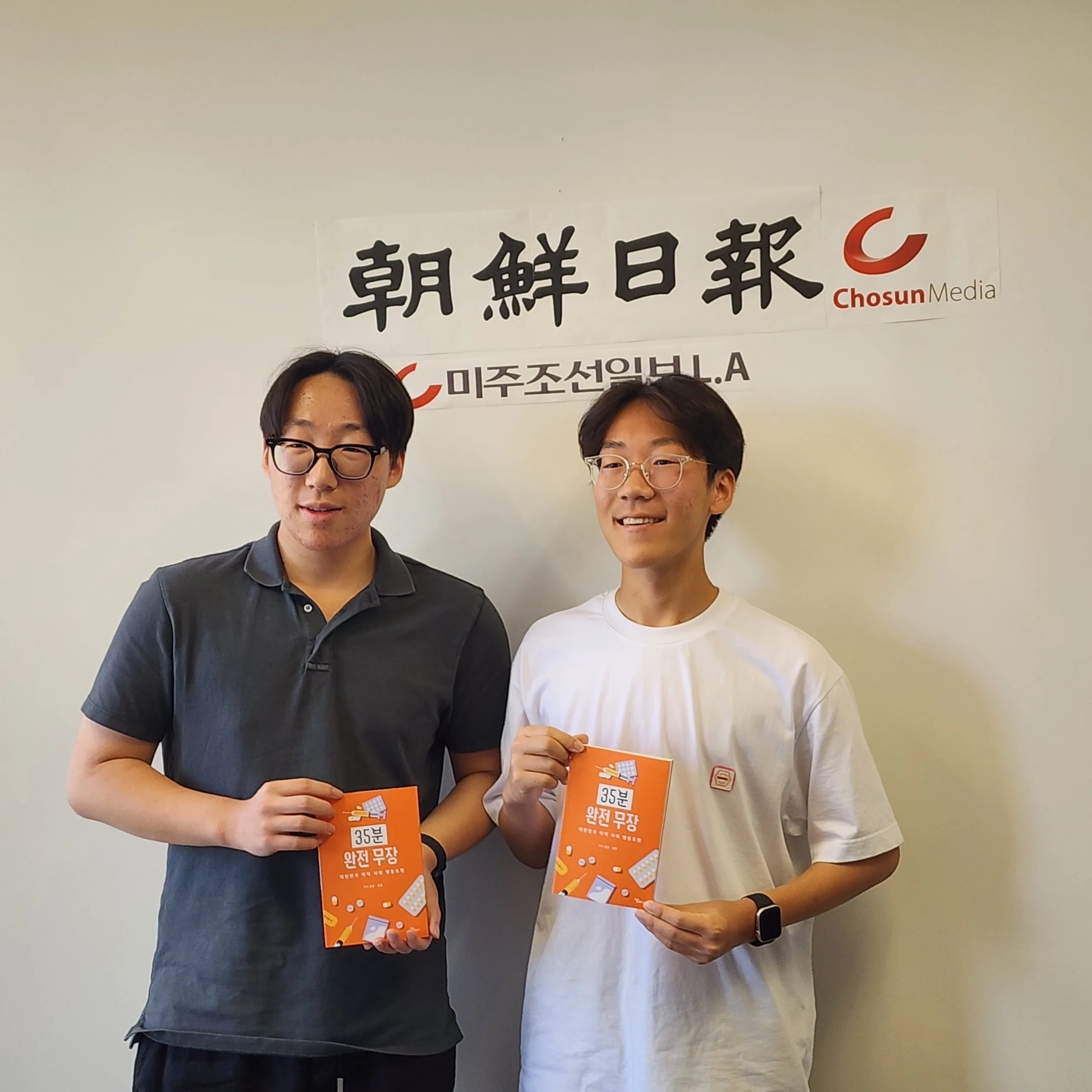
35분 완전무장 — An Anti-Drug Book
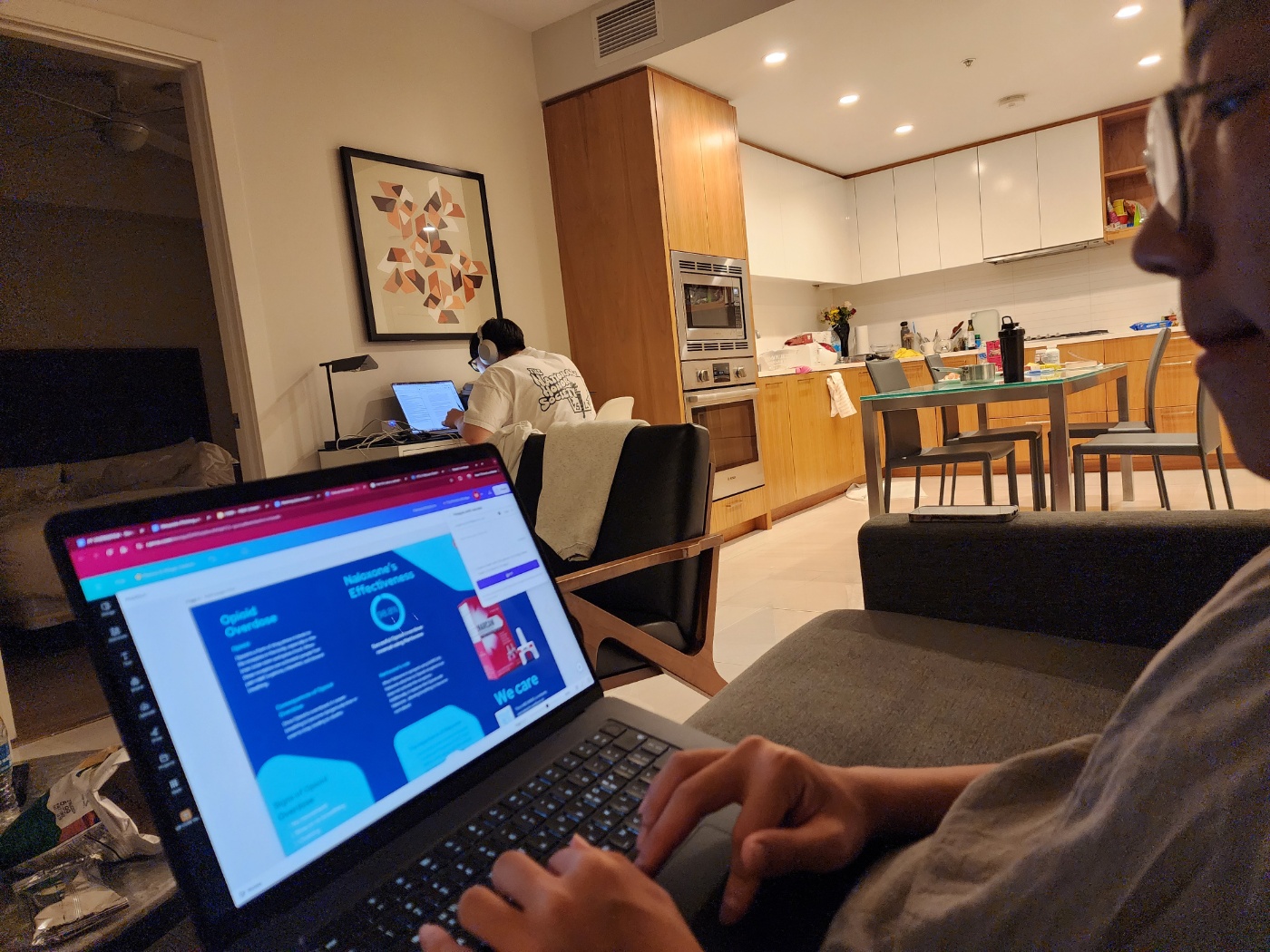
Naloxone & Parent Awareness Brochures
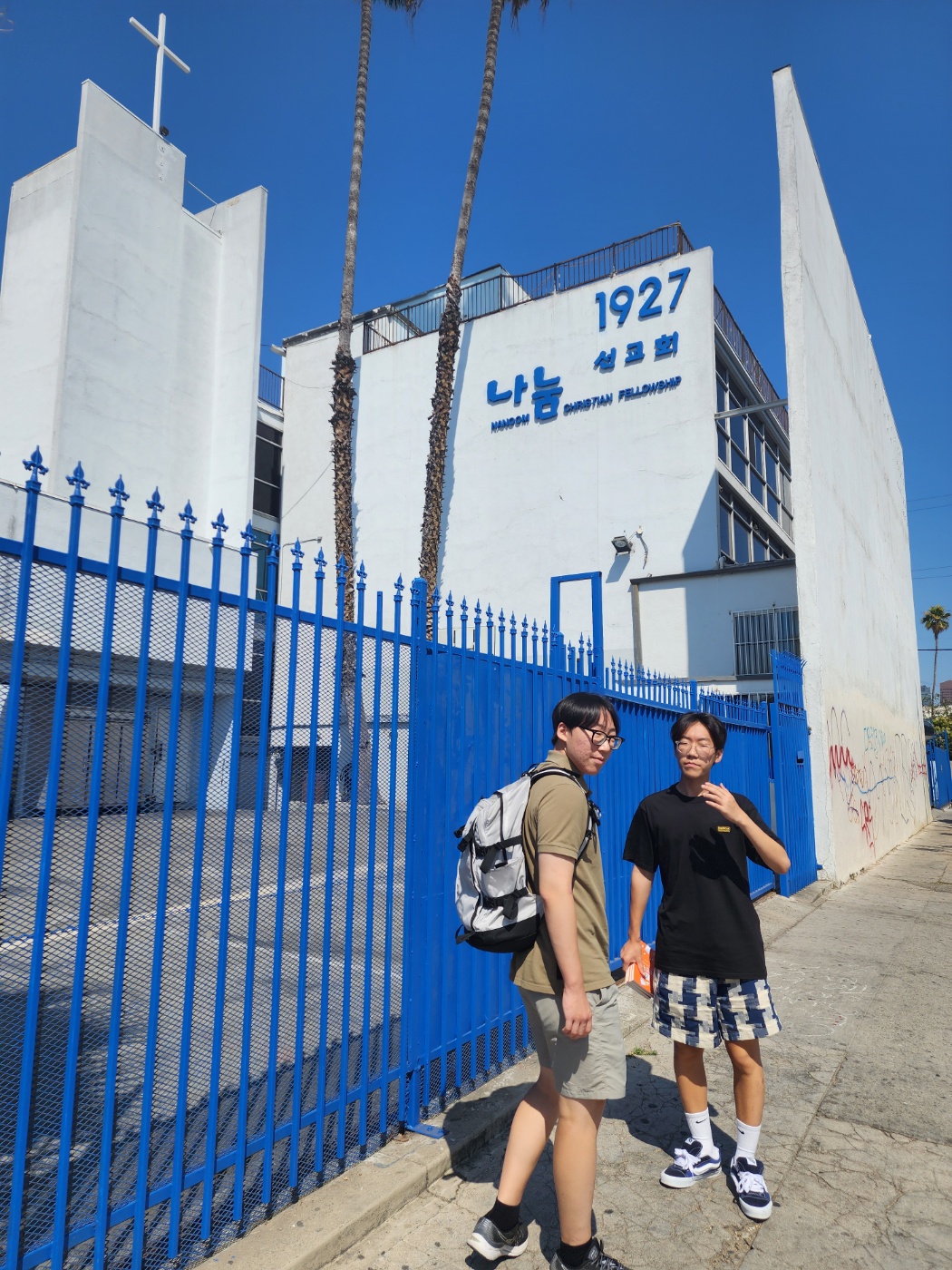
Nanum Mission — Visit & Donation
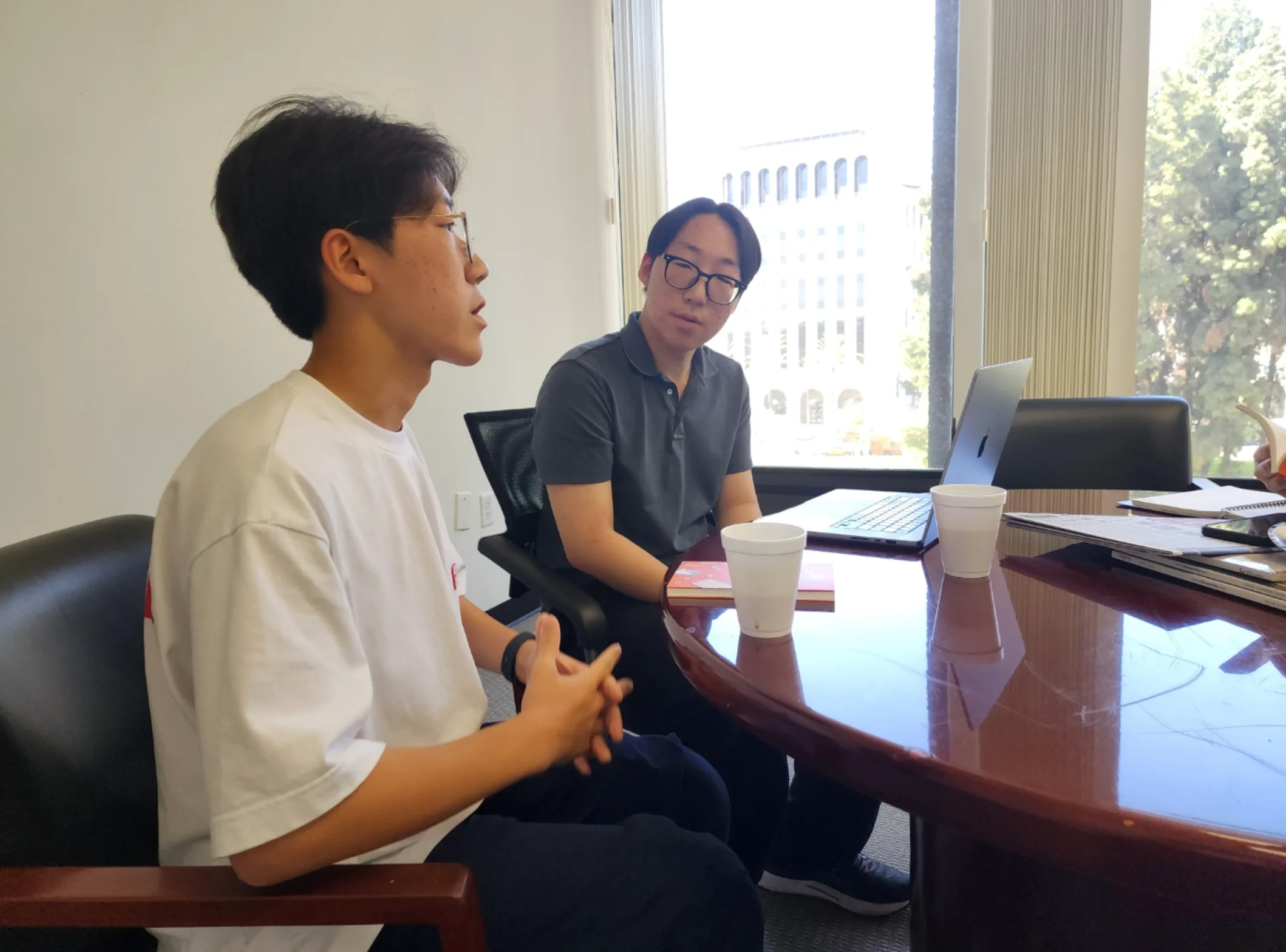
Media Coverage
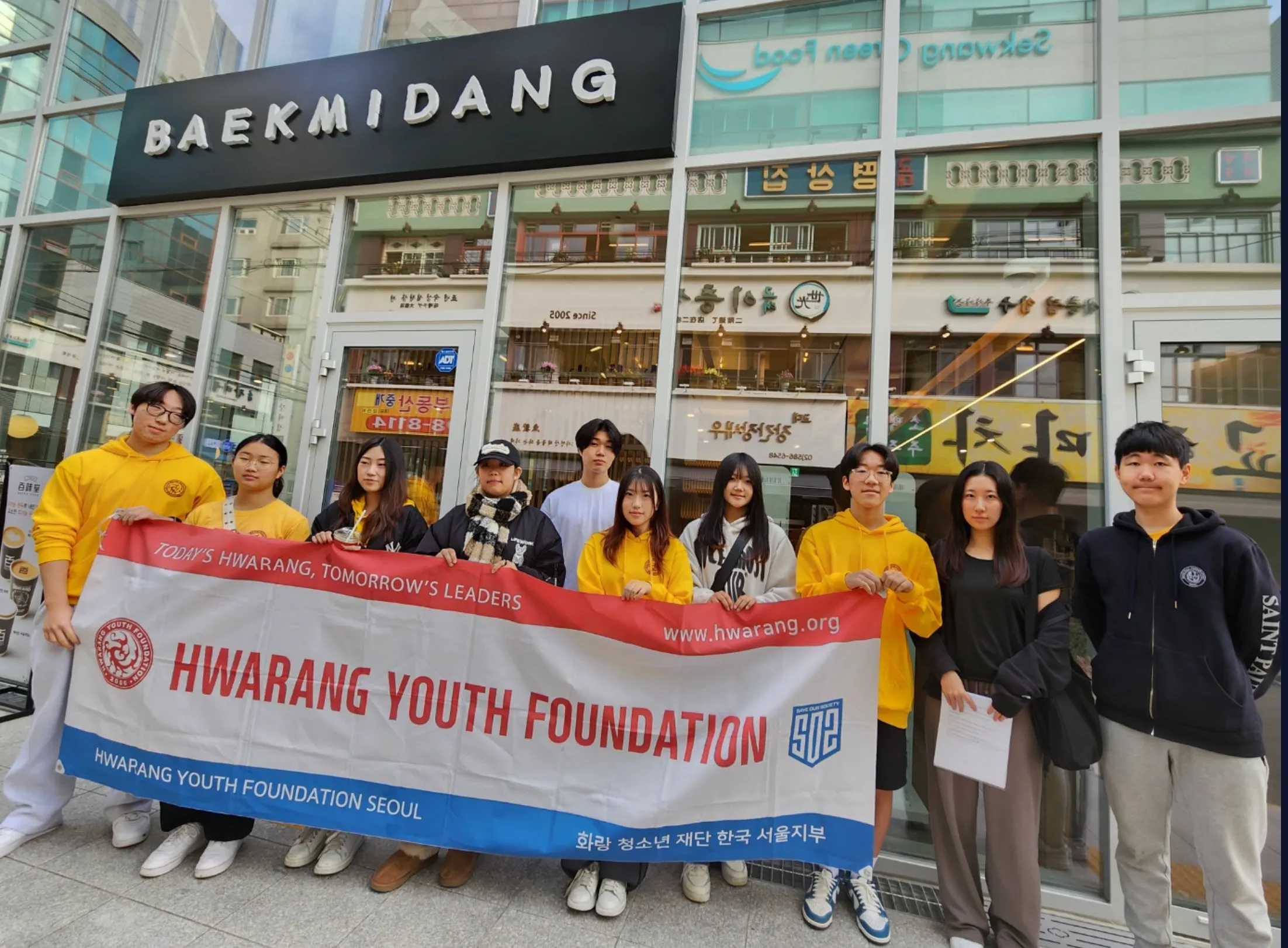
Seocho-gu Funding Meeting
Youth Harmful- Environment Mapping
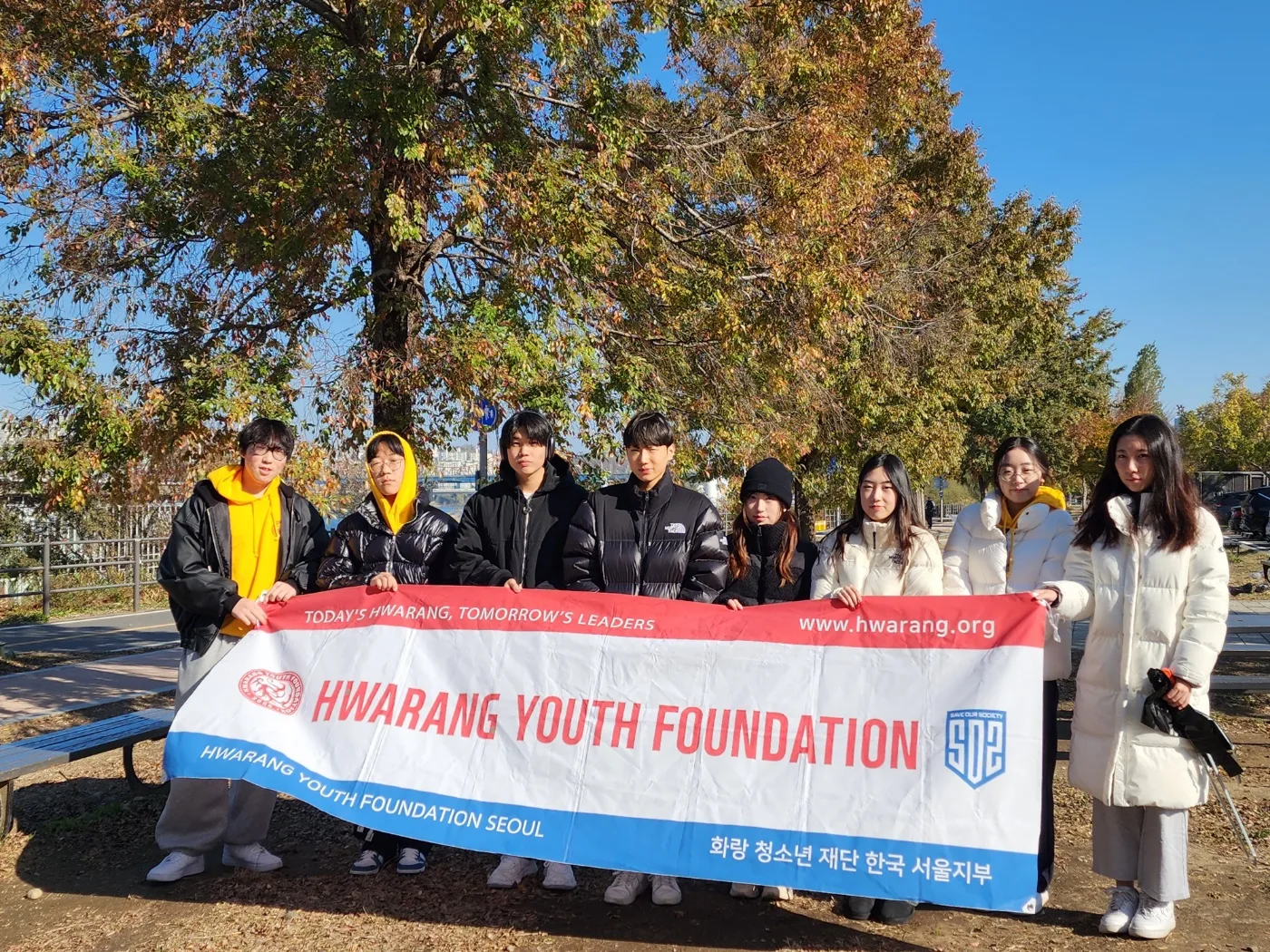
Hangang River Cleanup
Menstrual Pads for Teens in Malaysia
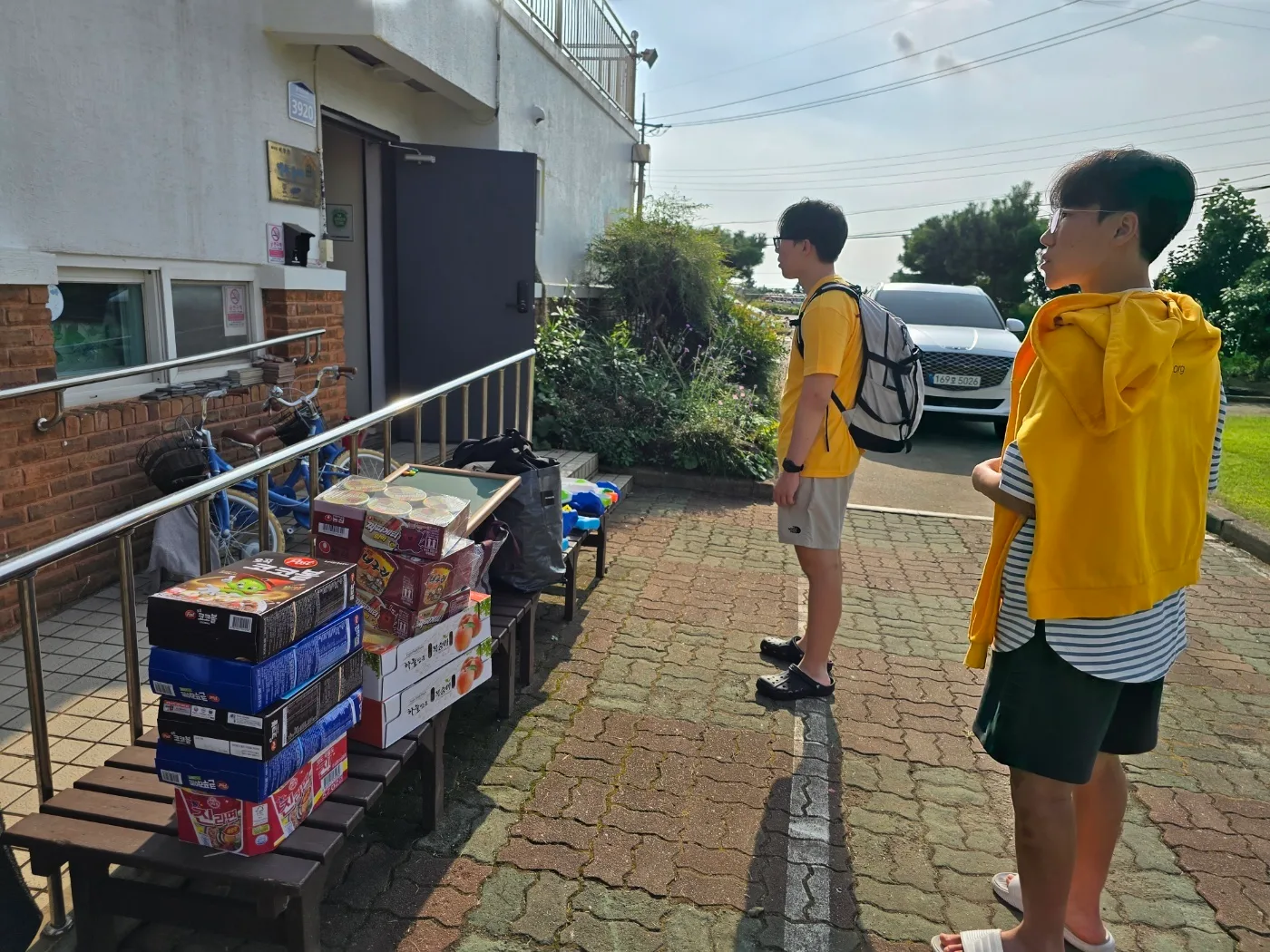
Yehyangwon Orphanage Donation
Gotjawal Forest Trash Pickup
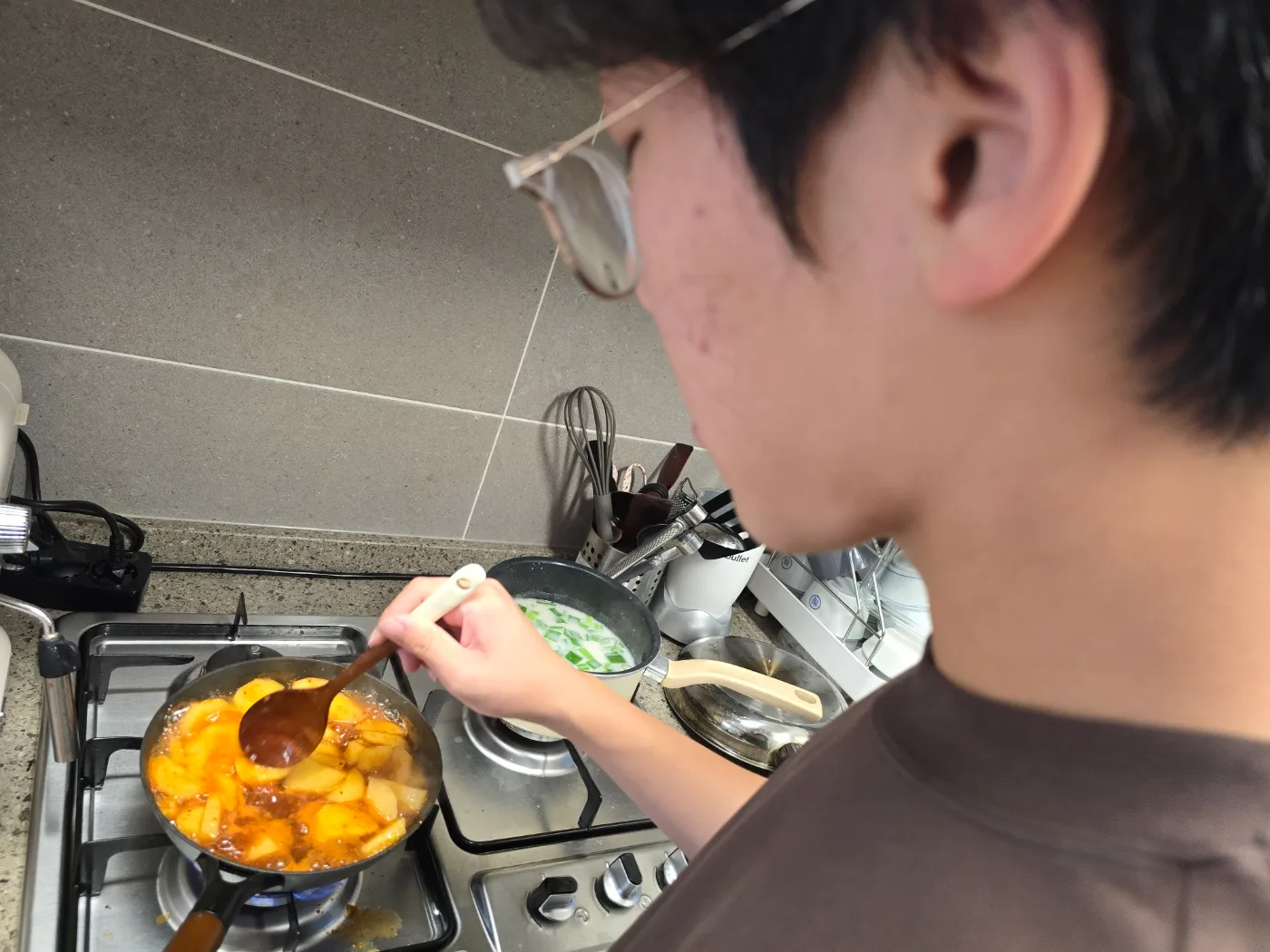
Monthly Meals for an Elderly Neighbor
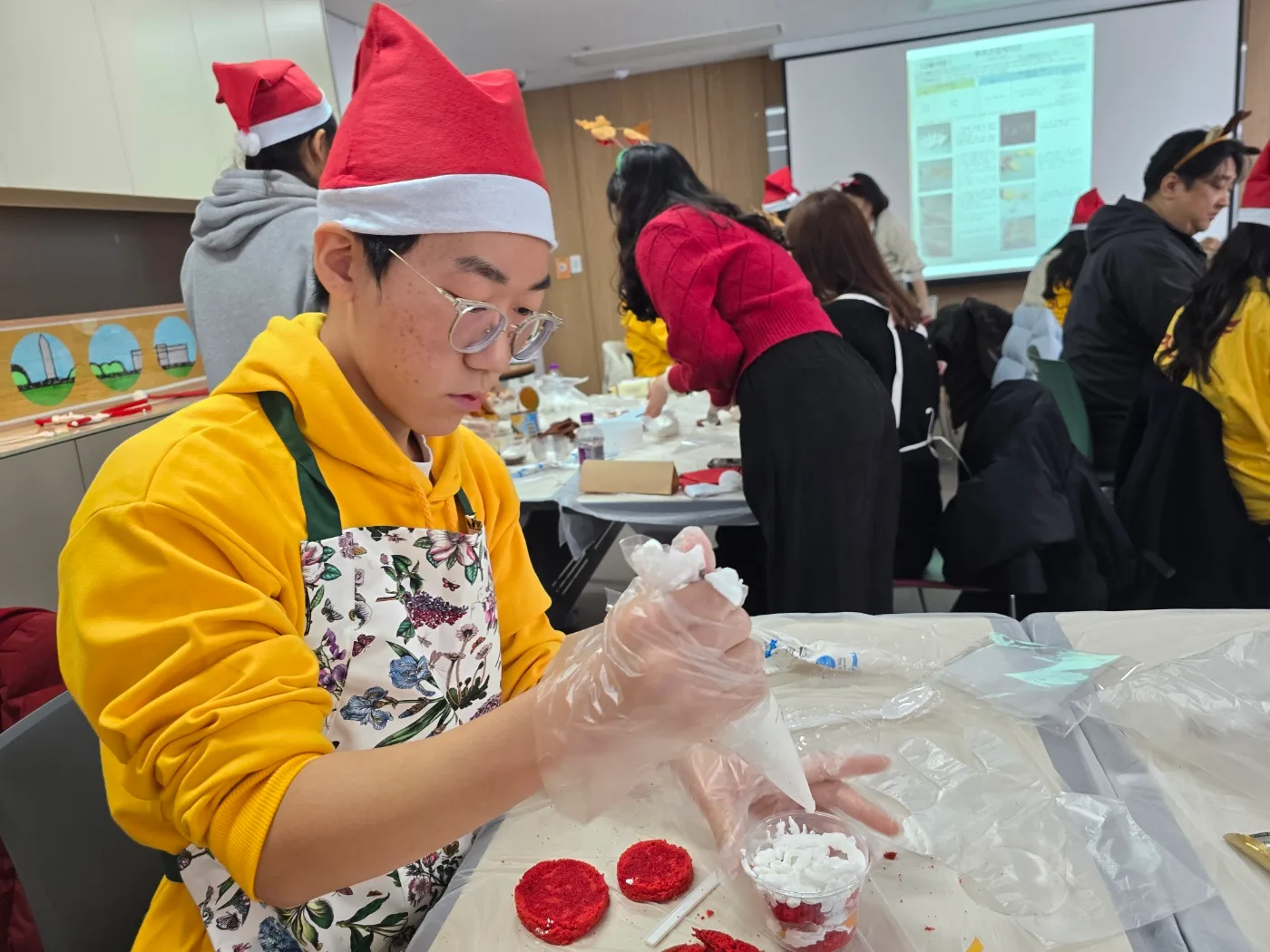
Cupcakes for Elderly Citizens
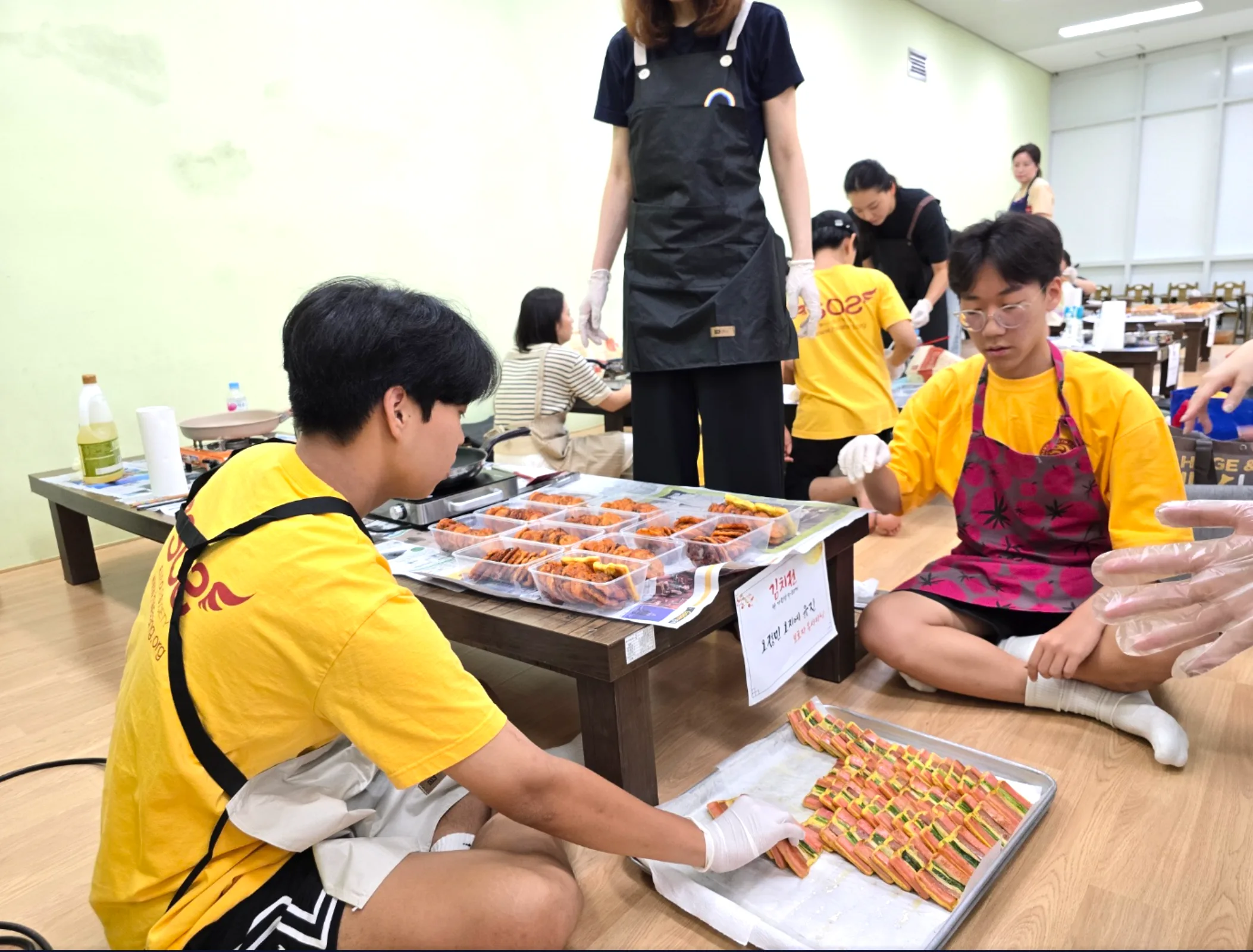
Chuseok Cooking for Elderly Citizens
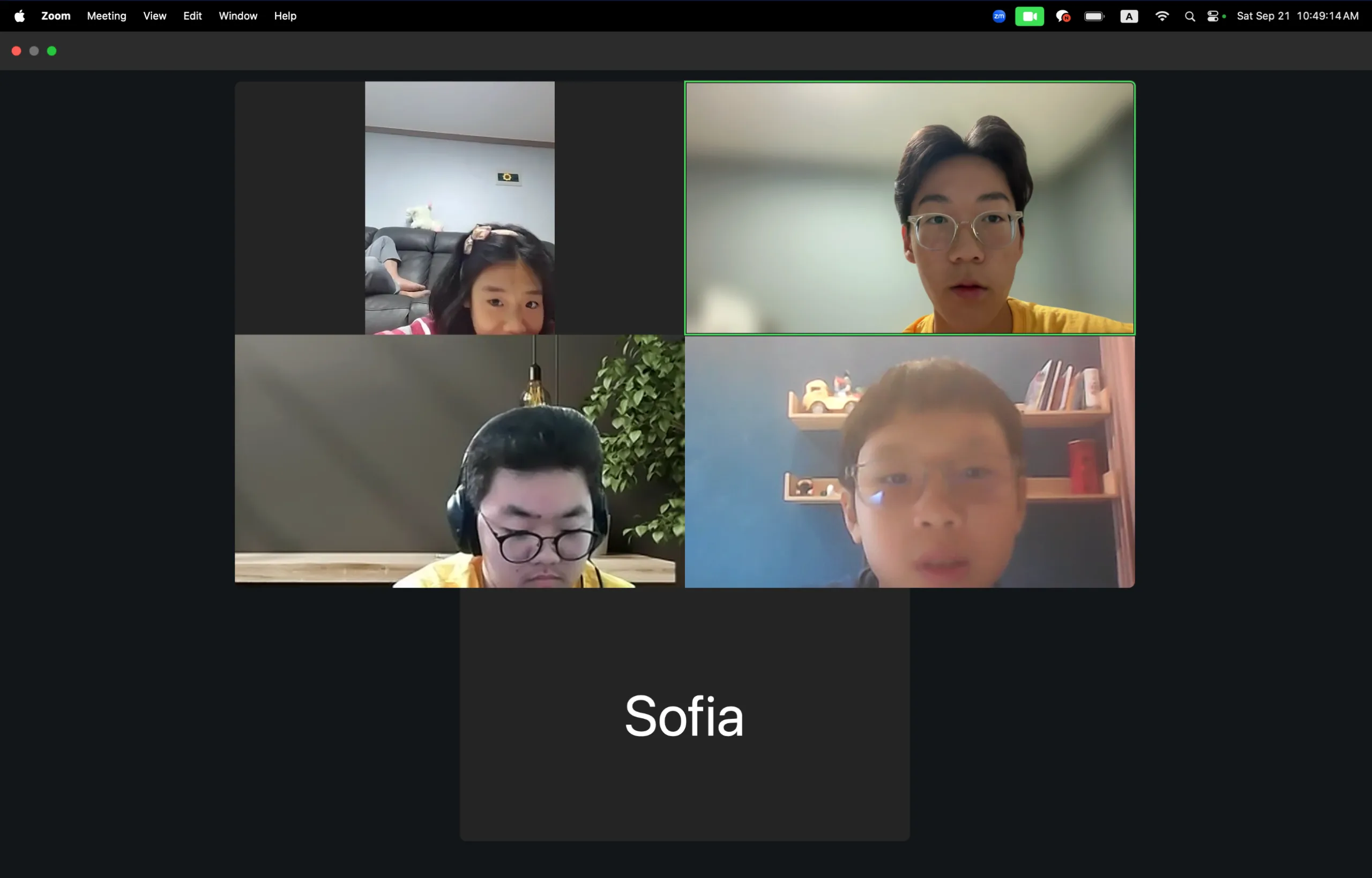
English Mentoring in Vietnam & Korea
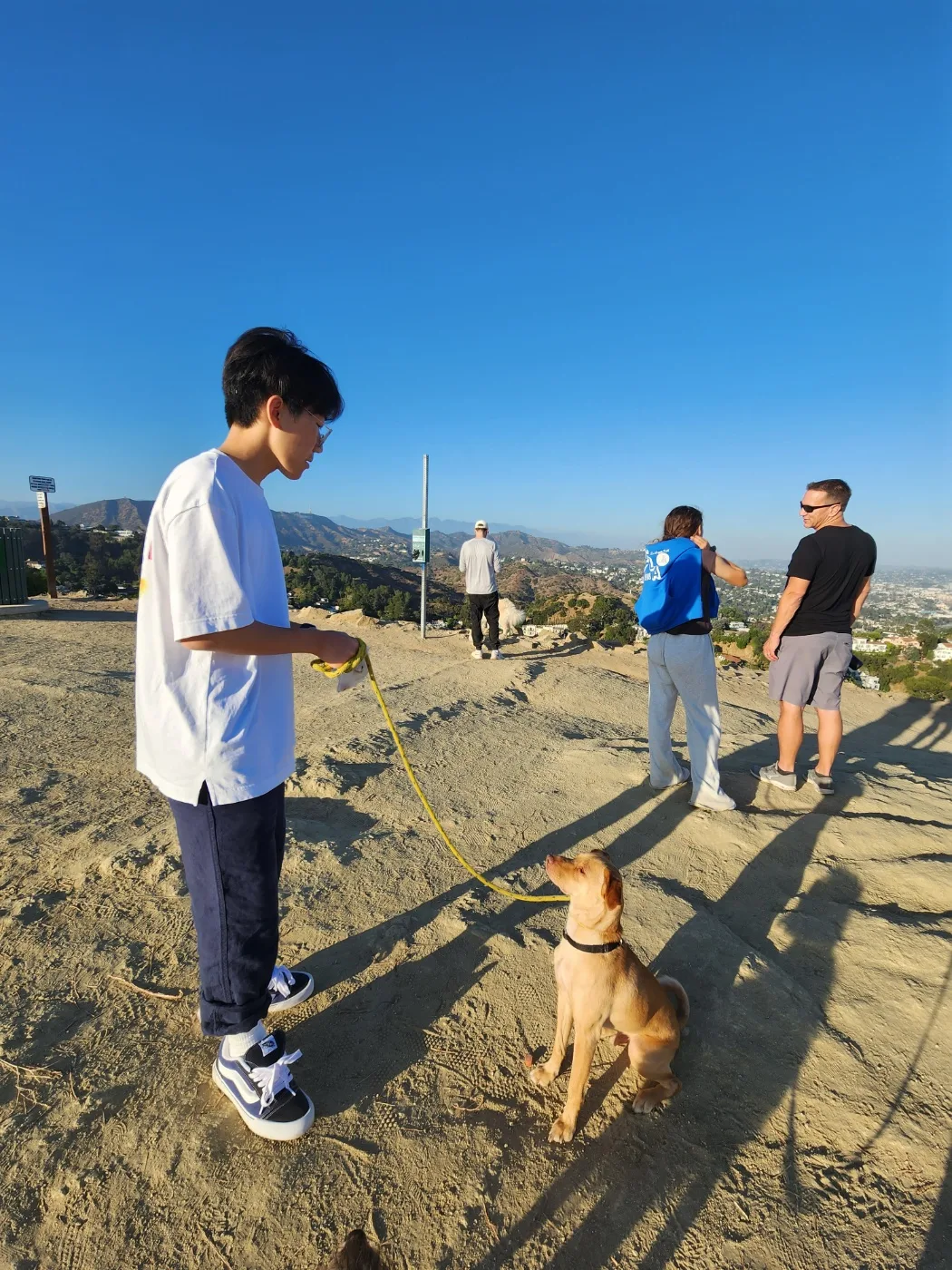
Rescue-Dog Walking, Free Animal Doctor
Assistant Coach — MS Boys Soccer
Hangang River cleanup — biweekly2023~2025Wrote & published an anti-drug book, 35분 완전무장2024Book donation & cataloging — LA Public Library2024Naloxone brochure distribution — YMCA (LA)2024Brochure donation to KYCC & KFAM2024Visit, interview & donation — Nanum Mission, LA2024Interview — The Korea Times, Los Angeles2024Interview — Chosun Media of Los Angeles2024Interview — The Korea Daily2024Radio appearance — RadioKorea2024Meeting with Seocho-gu officials — ₩420K funding2024Seocho-gu youth harmful-environment mapping2024Semi-permanent menstrual pad making (Malaysia)2024Donation drive — Yehyangwon orphanage, Jeju2024Rescue-dog walking — Free Animal Doctor, LA2024Local trash pickup near Gotjawal Forest2024Anti-drug & Naloxone brochure creation2024 06~08Chuseok food cooking for elderly citizens2024 09English mentoring — students in Vietnam & Korea2024 09~12Cupcake making for elderly citizens2024 12Middle School Boys Soccer — Assistant Coach2025 08Monthly meals & check-ins — elderly citizenOngoingLet’s talk.
Open to community projects, interviews, and any work that helps people who need it. Based in Jeju, with time each year in Los Angeles.